a discourse on the method of correctly connecting one´s reason and seeking truth in the sciences
René Descartes
Synopsis "a discourse on the method of correctly connecting one´s reason and seeking truth in the sciences"
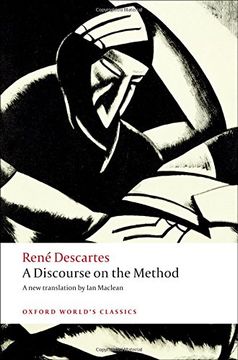
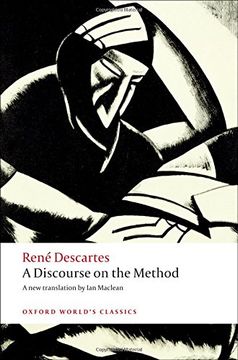
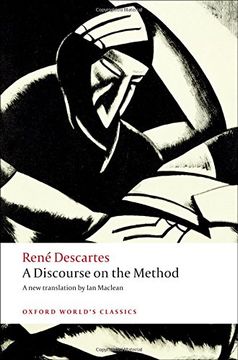
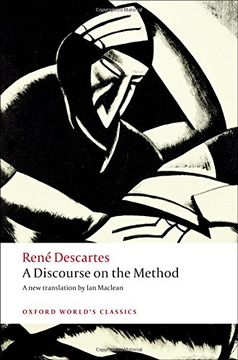
Descartes' Discourse marks a watershed in European thought; in it, the author sets out in brief his radical new philosophy, which begins with a proof of the existence of the self (the famous "cogito ergo sum"). Next he deduces from it the existence and nature of God, and ends by offering a radical new account of the physical world and of human and animal nature. Written in everyday language and meant to be read by common people of the day, it swept away all previous philosophical traditions. This new translation is an ideal introduction to Descartes for the general reader. It is accompanied by a substantial introductory essay from Renaissance scholar Ian Maclean that is designed to provide in-depth historical and philosophical context. The essay draws on Descartes' correspondence to examine what brought him to write his great work, and the impact it had on his contemporaries. A detailed section of notes explain Descartes' philosophical terminology andideas, as well as historical references and allusions. Any reader can feel comfortable diving in to this classic work of Renaissance philosophical thought. About the Series: For over 100 years Oxford World's Classics has made available the broadest spectrum of literature from around the globe. Each affordable volume reflects Oxford's commitment to scholarship, providing the most accurate text plus a wealth of other valuable features, including expert introductions by leading authorities, voluminous notes to clarify the text, up-to-date bibliographies for further study, and much more.
René Descartes (1596–1650) fue un filósofo, matemático y científico francés, considerado uno de los padres de la filosofía moderna. Nació en La Haye en Touraine, en una familia acomodada, y recibió una formación sólida en el Colegio de La Flèche, uno de los centros jesuitas más prestigiosos de la época. Su curiosidad por el conocimiento lo llevó a interesarse tanto por las ciencias como por la lógica, alejándose progresivamente de la escolástica tradicional.
En el ámbito filosófico, Descartes es célebre por su método basado en la duda sistemática, cuyo propósito era encontrar un fundamento absolutamente seguro para el conocimiento. De este proceso surgió su famosa afirmación “Cogito, ergo sum” (“Pienso, luego existo”), que se convirtió en la base de su sistema racionalista. Sus obras principales, como Meditaciones metafísicas y Discurso del método, marcaron un antes y un después en la filosofía occidental.
Como matemático, hizo contribuciones fundamentales: estableció la geometría analítica, que unió el álgebra con la geometría al introducir el uso de coordenadas para describir figuras. También aportó al desarrollo del método científico y estudió fenómenos físicos como la óptica y el movimiento.
Descartes pasó buena parte de su vida adulta en los Países Bajos, donde escribió la mayor parte de su obra. Murió en Estocolmo en 1650, invitado por la reina Cristina de Suecia. Su legado continúa influyendo la filosofía, la ciencia y las matemáticas hasta la actualidad.