Tracked shipping to South Africa with premium packaging for just R199 

Ship to
South Africa
0
  • argentina
  • chile
  • colombia
  • españa
  • méxico
  • perú
  • estados unidos
  • internacional

Select your country

Americas

Europe

Rest of the world

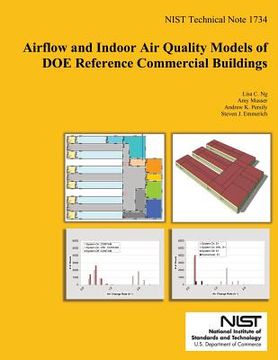
portada Airflow and Indoor Air Quality Models of DOE References Commercial Buildings
Type
Physical Book
Publisher
Language
English
Pages
162
Format
Paperback
Dimensions
28.0 x 21.6 x 0.9 cm
Weight
0.39 kg.
ISBN13
9781499159790

Airflow and Indoor Air Quality Models of DOE References Commercial Buildings

Andrew K. Persily (Author) · Steven J. Emmerich (Author) · Lisa C. Ng (Author) · Createspace · Paperback

Airflow and Indoor Air Quality Models of DOE References Commercial Buildings - Persily, Andrew K. ; Emmerich, Steven J. ; Ng, Lisa C.

New Book Imported to South Africa
Delivery: 24 Aug - 07 Sep Shipping: 17 to 21 business days.
R 453
R 453

Synopsis "Airflow and Indoor Air Quality Models of DOE References Commercial Buildings"

Sixteen reference buildings have been defined by the U.S. Department of Energy, and created as EnergyPlus input files, for use in assessing new technologies and supporting the development of energy codes in pursuing building energy efficiency improvements. Infiltration rates in the EnergyPlus models of the reference buildings were input as constant airflow rates, and not calculated based on established building airflow theory. In order to support more physically-based airflow calculations, as well as indoor air quality analysis, models of the 16 reference buildings were created in the multizone airflow and contaminant transport program CONTAM. A number of additional inputs had to be defined for the CONTAM models, and changes in the interior zoning were required, to more realistically account for airflow. Annual airflow and contaminant simulations were performed in CONTAM for six of the buildings. While the assumed infiltration rates in EnergyPlus do not realistically reflect impacts of weather conditions, there are clear relationships between the outdoor air change rates calculated by CONTAM and weather. In addition, the envelope airtightness values assumed in either approach are seen to have a major impact on the air change rates. Contaminant analyses were performed for occupant-generated carbon dioxide, volatile organic compounds from indoor sources, outdoor particulate matter, and outdoor ozone. The airflow and contaminant calculation results provide a useful baseline for subsequent use of these models to investigate approaches to building ventilation and other technologies that are intended to simultaneously reduce building energy consumption while maintaining or improving indoor air quality.

Customers reviews

Frequently Asked Questions about the Book

All books in our catalog are Original.
The book is written in English.
The binding of this edition is Paperback.

Questions and Answers about the Book

Do you have a question about the book? Login to be able to add your own question.

Opinions about Bookdelivery

More customer reviews