Tracked shipping to South Africa with premium packaging for just R199 

Ship to
South Africa
0
  • argentina
  • chile
  • colombia
  • españa
  • méxico
  • perú
  • estados unidos
  • internacional

Select your country

Americas

Europe

Rest of the world

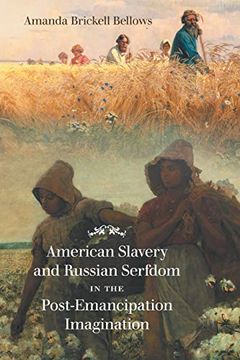
portada American Slavery and Russian Serfdom in the Post-Emancipation Imagination
Type
Physical Book
Year
2020
Language
English
Pages
320
Format
Paperback
ISBN13
9781469655543

American Slavery and Russian Serfdom in the Post-Emancipation Imagination

Amanda Brickell Bellows (Author) · The University Of North Carolina Press · Paperback

American Slavery and Russian Serfdom in the Post-Emancipation Imagination - Amanda Brickell Bellows

New Book Imported to South Africa
Delivery: 13 Aug - 24 Aug Shipping: 11 to 13 business days.
R 700
R 700

Synopsis "American Slavery and Russian Serfdom in the Post-Emancipation Imagination "

The abolition of Russian serfdom in 1861 and American slavery in 1865 transformed both nations as Russian peasants and African Americans gained new rights as subjects and citizens. During the second half of the long nineteenth century, Americans and Russians responded to these societal transformations through a fascinating array of new cultural productions. Analyzing portrayals of African Americans and Russian serfs in oil paintings, advertisements, fiction, poetry, and ephemera housed in American and Russian archives, Amanda Brickell Bellows argues that these widely circulated depictions shaped collective memory of slavery and serfdom, affected the development of national consciousness, and influenced public opinion as peasants and freedpeople strove to exercise their newfound rights. While acknowledging the core differences between chattel slavery and serfdom, as well as the distinctions between each nation's post-emancipation era, Bellows highlights striking similarities between representations of slaves and serfs that were produced by elites in both nations as they sought to uphold a patriarchal vision of society. Russian peasants and African American freedpeople countered simplistic, paternalistic, and racist depictions by producing dignified self-representations of their traditions, communities, and accomplishments. This book provides an important reconsideration of post-emancipation assimilation, race, class, and political power.

Customers reviews

Frequently Asked Questions about the Book

All books in our catalog are Original.
The book is written in English.
The binding of this edition is Paperback.

Questions and Answers about the Book

Do you have a question about the book? Login to be able to add your own question.

Opinions about Bookdelivery

More customer reviews