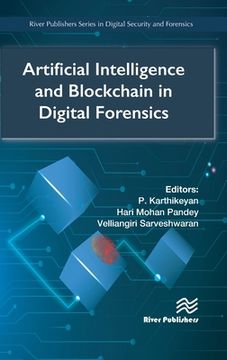
Artificial Intelligence and Blockchain in Digital Forensics
Velliangiri Sarveshwaran
Synopsis "Artificial Intelligence and Blockchain in Digital Forensics "
Digital forensics is the science of detecting evidence from digital media like a computer, smartphone, server, or network. It provides the forensic team with the most beneficial methods to solve confused digital-related cases. AI and blockchain can be applied to solve online predatory chat cases and photo forensics cases, provide network service evidence, custody of digital files in forensic medicine, and identify roots of data scavenging. The increased use of PCs and extensive use of internet access, have meant easy availability of hacking tools. Over the past two decades, improvements in the information technology landscape have made the collection, preservation, and analysis of digital evidence extremely important. The traditional tools for solving cybercrimes and preparing court cases are making investigations difficult. We can use AI and blockchain design frameworks to make the digital forensic process efficient and straightforward. AI features help determine the contents of a picture, detect spam email messages and recognize swatches of hard drives that could contain suspicious files. Blockchain-based lawful evidence management schemes can supervise the entire evidence flow of all of the court data. This book provides a wide-ranging overview of how AI and blockchain can be used to solve problems in digital forensics using advanced tools and applications available on the market.
Velliangiri Sarveshwaran es un investigador y académico indio especializado en ciencias de la computación, inteligencia artificial, ciberseguridad y tecnologías de optimización. Obtuvo su licenciatura en Ingeniería Informática en la Anna University, Chennai, y posteriormente realizó una maestría en Ciencias de la Computación e Ingeniería en Karpagam University. En 2018 obtuvo un doctorado en Ingeniería de la Información y las Comunicaciones por Anna University.
Su trayectoria profesional se ha desarrollado principalmente en el ámbito académico y de investigación. Ha trabajado como profesor e investigador en instituciones de educación superior de la India y actualmente aparece vinculado como investigador posdoctoral al Departamento de Ciencias de la Computación e Ingeniería de la Información de la National Chung Cheng University, en Taiwán.
Sus principales áreas de investigación incluyen aprendizaje automático, computación en la nube, blockchain, seguridad de redes, privacidad, Internet de las Cosas y optimización. Cuenta con numerosas publicaciones científicas y participa como revisor de revistas académicas internacionales. También es miembro sénior de organizaciones profesionales como IEEE e IAENG.
Entre sus trabajos editoriales se encuentra Artificial Intelligence and Cyber Security in Industry 4.0, obra dedicada a analizar el papel de la inteligencia artificial y la ciberseguridad en los procesos industriales modernos.