Tracked shipping to South Africa with premium packaging for just R199 

Ship to
South Africa
0
  • argentina
  • chile
  • colombia
  • españa
  • méxico
  • perú
  • estados unidos
  • internacional

Select your country

Americas

Europe

Rest of the world

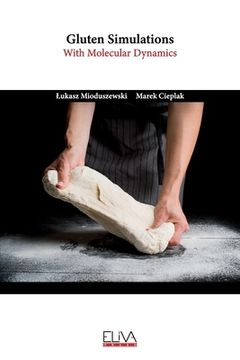
portada Gluten Simulations: With Molecular Dynamics
Type
Physical Book
Publisher
Language
English
Pages
90
Format
Paperback
Dimensions
22.9x15.2x0.5 cm
Weight
0.13 kg.
ISBN13
9781636483511

Gluten Simulations: With Molecular Dynamics

Marek Cieplak (Author) · Lukasz Mioduszewski (Author) · Eliva Press · Paperback

Gluten Simulations: With Molecular Dynamics - Cieplak, Marek ; Mioduszewski, Lukasz

New Book Imported to South Africa
Delivery: 08 Oct - 16 Oct Shipping: 6 to 7 business days.
R 854
R 854

Synopsis "Gluten Simulations: With Molecular Dynamics"

Gluten consists principally of intrinsincally disordered storage proteins (glutenins and gliadins) from wheat grains. During the breadmaking process these proteins form a network that is responsible for the extraordinary viscoelasticity of wheat dough that determine the quality of bread. This book sums up the pioneering simulations of gluten proteins, aimed for recreating their unique viscoelastic properties. The computer simulations use the Dynamic Structure Based model, which enables molecular dynamics of thousands of amino acids. The corresponding time-dependent properties are studied through shear and axial deformations of the simulation box. The two types of deformation turn out to have a different impact on the proteins. Glutenins are shown to influence the mechanics of gluten much more than gliadins. The measured quantities include the response force to the deformation, the number of entanglements and cavities, the mobility of residues, the number of the inter-chain bonds, etc. The dynamic shear modulus and critical strain are also calculated. The results are consistent with the existing ideas about gluten elasticity, e.g. the slip-bond theory which assumes that the gluten proteins can be treated as an interconnected network of polymers. The simulations emphasize the role of entanglements and hydrogen bonding. Five different systems are simulated: in addition to gliadins, glutenins and gluten (a mixture of both), storage proteins from maize and rice are also considered. The last two constitute a control group, that (according to expectations) has weaker elasticity. This validates the methodology used in this approach.

Customers reviews

Frequently Asked Questions about the Book

All books in our catalog are Original.
The book is written in English.
The binding of this edition is Paperback.

Questions and Answers about the Book

Do you have a question about the book? Login to be able to add your own question.

Opinions about Bookdelivery

More customer reviews