Tracked shipping to South Africa with premium packaging for just R199 

Ship to
South Africa
0
  • argentina
  • chile
  • colombia
  • españa
  • méxico
  • perú
  • estados unidos
  • internacional

Select your country

Americas

Europe

Rest of the world

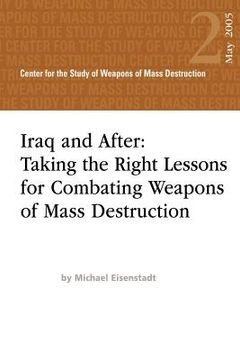
portada Iraq and After: Taking the Right Lessons for Combating Weapons of Mass Destruction
Type
Physical Book
Publisher
Language
English
Pages
30
Format
Paperback
Dimensions
22.9 x 15.2 x 0.2 cm
Weight
0.05 kg.
ISBN13
9781478192688

Iraq and After: Taking the Right Lessons for Combating Weapons of Mass Destruction

National Defense University (Author) · Michael Eisenstadt (Author) · Createspace · Paperback

Iraq and After: Taking the Right Lessons for Combating Weapons of Mass Destruction - University, National Defense ; Eisenstadt, Michael

New Book Imported to South Africa
Delivery: 21 Aug - 04 Sep Shipping: 16 to 20 business days.
R 398
R 398

Synopsis "Iraq and After: Taking the Right Lessons for Combating Weapons of Mass Destruction"

Recent proliferation surprises in the Middle East-the failure to find weapons of mass destruction (WMD) in Iraq, Libya's decision to eliminate its WMD, and evidence of significant progress by Iran toward a nuclear weapons capability-underscore the need for the nonproliferation community to reassess some of its key assumptions about WMD proliferation and the nature of the evolving international landscape. Such a reassessment must be highly speculative. Much about Iraq's WMD programs is likely to remain a mystery due to the destruction of records and the looting of facilities following the fall of Baghdad, as well as the continuing silence of many Iraqi weapons scientists and former government officials.1 Likewise, the calculations driving key proliferation-related decisions by Libya and Iran remain murky. This lack of knowledge, however, should not inhibit attempts to grasp the implications of these developments for U.S. nonproliferation and counterproliferation policy. Although this paper focuses primarily on Iraq, it also seeks to draw lessons from recent experiences in Libya and Iran to understand better how proliferators think about WMD; the challenges in assessing the status and sophistication of developing world WMD programs; the contours of the emerging international proliferation landscape; and the efficacy of various policy instruments available to the United States for dealing with these so-called ultimate weapons.

Customers reviews

Frequently Asked Questions about the Book

All books in our catalog are Original.
The book is written in English.
The binding of this edition is Paperback.

Questions and Answers about the Book

Do you have a question about the book? Login to be able to add your own question.

Opinions about Bookdelivery

More customer reviews