Tracked shipping to South Africa with premium packaging for just R199 

Ship to
South Africa
0
  • argentina
  • chile
  • colombia
  • españa
  • méxico
  • perú
  • estados unidos
  • internacional

Select your country

Americas

Europe

Rest of the world

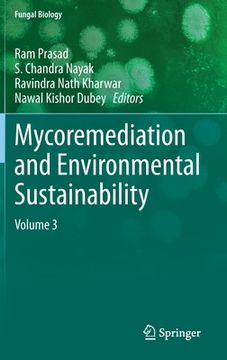
portada Mycoremediation and Environmental Sustainability: Volume 3 (Fungal Biology)
Type
Physical Book
Publisher
Year
2021
Language
English
Pages
387
Format
Hardcover
Dimensions
23.4x15.6x2.4 cm
Weight
0.75 kg.
ISBN13
9783030544218
Edition No.
1

Mycoremediation and Environmental Sustainability: Volume 3 (Fungal Biology)

Ram Prasad (Illustrated by) · S. Chandra Nayak (Illustrated by) · Ravindra Nath Kharwar (Illustrated by) · Springer · Hardcover

Mycoremediation and Environmental Sustainability: Volume 3 (Fungal Biology) - Prasad, Ram ; Nayak, S. Chandra ; Kharwar, Ravindra Nath

Cheaper New Book Imported to South Africa
Delivery: 26 Oct - 06 Nov Shipping: 15 to 19 business days.
R 2,810
Faster New Book Imported to South Africa
Delivery: 13 Oct - 21 Oct Shipping: 6 to 7 business days.
R 3,727
R 2,810

Synopsis "Mycoremediation and Environmental Sustainability: Volume 3 (Fungal Biology) "

Volume 3 covers recent research with expanded coverage on this important area of remediation. Mycoremediation is the form of bioremediation in which fungi-based technology is used to decontaminate the environment. Fungi are among the primary saprotrophic organisms in an ecosystem, as they are efficient in the decomposition of organic matter. Wood-decay fungi, especially white rot, secretes extracellular enzymes and acids that break down lignin and cellulose. Fungi have been proven to be a very cost-effective and environmentally-friendly way for helping to remove a wide array of toxins from damaged environments or wastewater. These toxins include heavy metals, persistent organic pollutants, textile dyes, leather tanning industry chemicals and wastewater, petroleum fuels, polycyclic aromatic hydrocarbon, pharmaceuticals and personal care products, pesticides and herbicides, in land, fresh water and marine environments. Bioremediation of toxic organics by fungi is the most sustainable and green route for cleanup of contaminated sites and we discuss the multiple modes employed by fungi for detoxification of different toxic and recalcitrant compounds including prominent fungal enzymes viz., catalases, general lipase, laccases, peroxidases and sometimes intracellular enzymes, especially the cyrochrome P450 monooxygeneses.Fungi play an important role in the biogeochemical cycling of manganese and other redox-active metals, which is related to their ability to survive radiation and other oxidative challenges.This book covers recent research with more detail on the various types of fungi and associated fungal processes used to clean up wastes and wastewaters in contaminated environments, and discusses their potential for environmental applications.

Customers reviews

Frequently Asked Questions about the Book

All books in our catalog are Original.
The book is written in English.
The binding of this edition is Hardcover.

Questions and Answers about the Book

Do you have a question about the book? Login to be able to add your own question.

Opinions about Bookdelivery

More customer reviews