Tracked shipping to South Africa with premium packaging for just R199 

Ship to
South Africa
0
  • argentina
  • chile
  • colombia
  • españa
  • méxico
  • perú
  • estados unidos
  • internacional

Select your country

Americas

Europe

Rest of the world

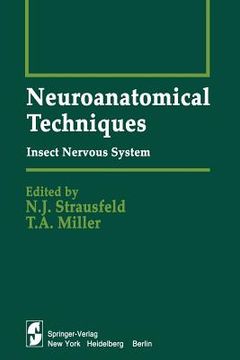
portada Neuroanatomical Techniques: Insect Nervous System
Type
Physical Book
Publisher
Language
English
Pages
496
Format
Paperback
Dimensions
23.4x15.6x2.7 cm
Weight
0.73 kg.
ISBN13
9781461260202

Neuroanatomical Techniques: Insect Nervous System

Strausfeld, N. J. ; Altman, J. S. ; Miller, T. A. (Author) · Springer · Paperback

Neuroanatomical Techniques: Insect Nervous System - Strausfeld, N. J. ; Altman, J. S. ; Miller, T. a.

Cheaper New Book Imported to South Africa
Delivery: 30 Sep - 13 Oct Shipping: 12 to 16 business days.
R 1,747
Faster New Book Imported to South Africa
Delivery: 21 Sep - 29 Sep Shipping: 5 to 6 business days.
R 2,401
R 1,747

Synopsis "Neuroanatomical Techniques: Insect Nervous System"

Most neurobiological research is performed on vertebrates, and it is only natural that most texts describing neuroanatomical methods refer almost exclusively to this Phylum. Nevertheless, in recent years insects have been studied intensively and are becoming even more popular in some areas of research. They have advantages over vertebrates with respect to studying genetics of neuronal development and with respect to studying many aspects of integration by uniquely identifiable nerve cells. Insect central nervous system is characterized by its compactness and the rather large number of nerve cells in a structure so small. But despite their size, parts of the insect eNS bear structural comparisons with parts of vertebrate eNS. This applies particularly to the organization of the thoracic ganglia (and spinal cord), to the insect and vertebrate visual sys- tems and, possibly, to parts of the olfactory neuropils. The neurons that make up these areas in insects are often large enough to be impaled by microelectrodes and can be injected with dyes. Added to advantages of using a small eNS, into which the sensory periphery is precisely mapped, are the many aspects of insect behaviour whose components can be quan- titized and which may find both structural and functional correlates within clearly defined regions of neuropil. Together, these various features make the insect eNS a rewarding object for study. This volume is the first of two that describe both classic and recent methods for neuroanatomical research on insect eNS.

Customers reviews

Frequently Asked Questions about the Book

All books in our catalog are Original.
The book is written in English.
The binding of this edition is Paperback.

Questions and Answers about the Book

Do you have a question about the book? Login to be able to add your own question.

Opinions about Bookdelivery

More customer reviews