Tracked shipping to South Africa with premium packaging for just R199 

Ship to
South Africa
0
  • argentina
  • chile
  • colombia
  • españa
  • méxico
  • perú
  • estados unidos
  • internacional

Select your country

Americas

Europe

Rest of the world

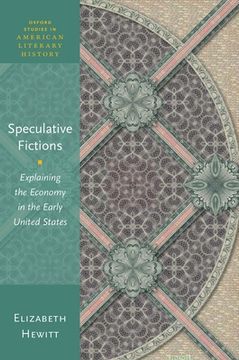
portada Speculative Fictions: Explaining the Economy in the Early United States (Oxford Studies in American Literary History)
Type
Physical Book
Language
English
Pages
352
Format
Hardcover
Dimensions
23.6 x 15.5 x 2.8 cm
Weight
0.72 kg.
ISBN13
9780198859130

Speculative Fictions: Explaining the Economy in the Early United States (Oxford Studies in American Literary History)

Elizabeth Hewitt (Author) · Oxford University Press · Hardcover

Speculative Fictions: Explaining the Economy in the Early United States (Oxford Studies in American Literary History) - Hewitt, Elizabeth

Cheaper New Book Imported to South Africa
Delivery: 18 Aug - 26 Aug Shipping: 7 to 8 business days.
R 2,573
Faster New Book Imported to South Africa
Delivery: 13 Aug - 21 Aug Shipping: 4 to 5 business days.
R 2,632
R 2,573

Synopsis "Speculative Fictions: Explaining the Economy in the Early United States (Oxford Studies in American Literary History) "

Speculative Fictions places Alexander Hamilton at the center of American literary history to consider the important intersections between economics and literature. By studying Hamilton as an economic and imaginative writer, it argues that we can recast the conflict with the Jeffersonians as a literary debate about the best way to explain and describe modern capitalism, and explores how various other literary forms allow us to comprehend the complexities of a modern global economy in entirely new ways. Speculative Fictions identifies two overlooked literary genres of the late eighteenth-century as exemplary of this narrative mode. It asks that we read periodical essays and Black Atlantic captivity narratives with an eye not towards bourgeois subject formation, but as descriptive analyses of economic systems. In doing so, we discover how these two literary genres offer very different portraits of a global economy than that rendered by the novel, the imaginative genre we are most likely to associate with modern capitalism. Developing an aesthetic appreciation for the speculative, digressive, and unsystematic plotlines of these earlier narratives has the capacity to generate new imaginative projects with which to make sense of our increasingly difficult economic world.

Customers reviews

Frequently Asked Questions about the Book

All books in our catalog are Original.
The book is written in English.
The binding of this edition is Hardcover.

Questions and Answers about the Book

Do you have a question about the book? Login to be able to add your own question.

Opinions about Bookdelivery

More customer reviews