Tracked shipping to South Africa with premium packaging for just R199 

Ship to
South Africa
0
  • argentina
  • chile
  • colombia
  • españa
  • méxico
  • perú
  • estados unidos
  • internacional

Select your country

Americas

Europe

Rest of the world

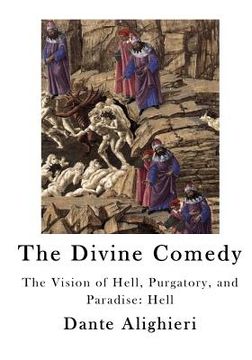
portada The Divine Comedy: The Vision of Hell, Purgatory, and Paradise: Hell
Type
Physical Book
Illustrated by
Translated by
Publisher
Language
English
Pages
290
Format
Paperback
Dimensions
25.4 x 17.8 x 1.5 cm
Weight
0.51 kg.
ISBN13
9781523249213

The Divine Comedy: The Vision of Hell, Purgatory, and Paradise: Hell

Dante Alighieri (Author) · Gustave Doré (Illustrated by) · H. F. Cary M. a. (Translated by) · Createspace · Paperback

The Divine Comedy: The Vision of Hell, Purgatory, and Paradise: Hell - Cary M. a., H. F. ; Dore, Gustave ; Alighieri, Dante

New Book Imported to South Africa
Delivery: 20 Aug - 03 Sep Shipping: 17 to 21 business days.
R 414
R 414

Synopsis "The Divine Comedy: The Vision of Hell, Purgatory, and Paradise: Hell"

The Divine ComedyThe Vision of Hell, Purgatory, and Paradise: HellDante AlighieriTranslated by The Rev. H. F. Cary, M.A.Illustrated by Gustave DoréThe Divine Comedy (Italian: Divina Commedia is an epic poem by Dante Alighieri, begun c. 1308 and completed 1320, a year before his death in 1321. It is widely considered the preeminent work of Italian literature and is seen as one of the greatest works of world literature. The poem's imaginative vision of the afterlife is representative of the medieval world-view as it had developed in the Western Church by the 14th century. It helped establish the Tuscan language, in which it is written, as the standardized Italian language. It is divided into three parts: Inferno, Purgatorio, and Paradiso.On the surface, the poem describes Dante's travels through Hell, Purgatory, and Paradise or Heaven; but at a deeper level, it represents, allegorically, the soul's journey towards God. At this deeper level, Dante draws on medieval Christian theology and philosophy, especially Thomistic philosophy and the Summa Theologica of Thomas Aquinas. Consequently, the Divine Comedy has been called "the Summa in verse."The work was originally simply titled Comedìa and the word Divina was added by Giovanni Boccaccio. The first printed edition to add the word divina to the title was that of the Venetian humanist Lodovico Dolce, published in 1555 by Gabriele Giolito de' Ferrari.

Customers reviews

Frequently Asked Questions about the Book

All books in our catalog are Original.
The book is written in English.
The binding of this edition is Paperback.

Questions and Answers about the Book

Do you have a question about the book? Login to be able to add your own question.

Opinions about Bookdelivery

More customer reviews