Tracked shipping to South Africa with premium packaging for just R199 

Ship to
South Africa
0
  • argentina
  • chile
  • colombia
  • españa
  • méxico
  • perú
  • estados unidos
  • internacional

Select your country

Americas

Europe

Rest of the world

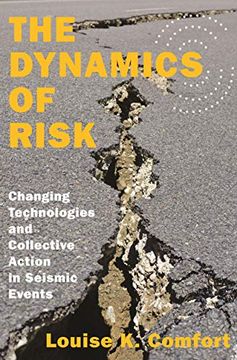
portada The Dynamics of Risk: Changing Technologies and Collective Action in Seismic Events (Princeton Studies in Complexity)
Type
Physical Book
Year
2019
Language
English
Pages
336
Format
Hardcover
ISBN13
9780691165363

The Dynamics of Risk: Changing Technologies and Collective Action in Seismic Events (Princeton Studies in Complexity)

Louise K. Comfort (Author) · Princeton University Press · Hardcover

The Dynamics of Risk: Changing Technologies and Collective Action in Seismic Events (Princeton Studies in Complexity) - Louise K. Comfort

Cheaper New Book Imported to South Africa
Delivery: 23 Jul - 20 Aug Shipping: 13 to 17 business days.
R 1,779
Faster New Book Imported to South Africa
Delivery: 22 Jul - 17 Aug Shipping: 12 to 14 business days.
R 2,365
R 1,779

Synopsis "The Dynamics of Risk: Changing Technologies and Collective Action in Seismic Events (Princeton Studies in Complexity) "

Earthquakes are a huge global threat. In thirty-six countries, severe seismic risks threaten populations and their increasingly interdependent systems of transportation, communication, energy, and finance. In this important book, Louise Comfort provides an unprecedented examination of how twelve communities in nine countries responded to destructive earthquakes between 1999 and 2015. And many of the book’s lessons can also be applied to other large-scale risks.The Dynamics of Risk sets the global problem of seismic risk in the framework of complex adaptive systems to explore how the consequences of such events ripple across jurisdictions, communities, and organizations in complex societies, triggering unexpected alliances but also exposing social, economic, and legal gaps. The book assesses how the networks of organizations involved in response and recovery adapted and acted collectively after the twelve earthquakes it examines. It describes how advances in information technology enabled some communities to anticipate seismic risk better and to manage response and recovery operations more effectively, decreasing losses. Finally, the book shows why investing substantively in global information infrastructure would create shared awareness of seismic risk and make postdisaster relief more effective and less expensive.The result is a landmark study of how to improve the way we prepare for and respond to earthquakes and other disasters in our ever-more-complex world.

Customers reviews

Frequently Asked Questions about the Book

All books in our catalog are Original.
The book is written in English.
The binding of this edition is Hardcover.

Questions and Answers about the Book

Do you have a question about the book? Login to be able to add your own question.

Opinions about Bookdelivery

More customer reviews