Tracked shipping to South Africa with premium packaging for just R199 

Ship to
South Africa
0
  • argentina
  • chile
  • colombia
  • españa
  • méxico
  • perú
  • estados unidos
  • internacional

Select your country

Americas

Europe

Rest of the world

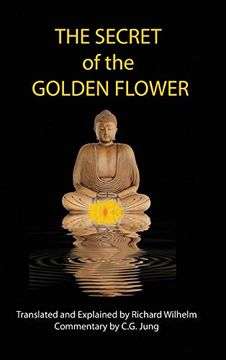
portada The Secret of the Golden Flower
Type
Physical Book
Translated by
Commentaries by
Publisher
Year
2010
Language
English
Pages
174
Format
Hardcover
Dimensions
22.9x15.2x1.4 cm
Weight
0.43 kg.
ISBN13
9781585095476

The Secret of the Golden Flower

Carl Jung (Author) · Dongbin Leu (Author) · Richard Wilhelm (Translated by) · Carl Gustav Jung (Commentaries by) · Book Tree · Hardcover

The Secret of the Golden Flower - Richard Wilhelm

New Book Imported to South Africa
Delivery: 06 Oct - 14 Oct Shipping: 5 to 6 business days.
R 496
R 496

Synopsis "The Secret of the Golden Flower "

The word "secret" appears in many book titles in an effort to create sales, but the reader often finds few secrets inside. This book is a rare exception. There is a powerful secret to be found within these pages. It claims to contain the hidden jewel that both Eastern and Western religions have been seeking for centuries. Religions have lost their focus, having turned their attention away from this mystical process and toward their dogmatic theologies. The Golden Flower, in terms of this book, is the hidden light within the human body that is the key to spiritual enlightenment. This book reveals how the reader can tap into it using meditative and Taoist Yoga practices. This can result in higher wisdom, spiritual bliss and a complete transformation of consciousness. It includes a Commentary by the legendary psychologist C.G. Jung concerning the differences in consciousness between the East and West, as well as his closing Appendix honoring the memory and accomplishments of the original Translator of this work, Richard Wilhelm.
Carl Jung
  (Author)
View Author's Page
Carl Gustav Jung, una de las referencias de la psicología de todos los tiempos, fue un médico, psiquiatra, psicólogo y ensayista suizo, figura clave en la etapa inicial del psicoanálisis; posteriormente, fundador de la escuela de Psicología analítica, también llamada Psicología de los complejos y Psicología profunda. Fue discípulo de Freud y profesor en las universidades de Zúrich y Basilea.

Carl Gustav Jung fue un pionero de la psicología profunda y uno de los estudiosos de esta disciplina más ampliamente leídos en el siglo veinte. Su abordaje teórico y clínico enfatizó la conexión funcional entre la estructura de la psique y la de sus productos.

Es autor de más de quince títulos, entre los que destacan La psicología de la transferencia, Psicología y simbólica del arquetipo, Arquetipos e inconsciente colectivo, Las relaciones entre el yo y el inconsciente, Símbolos de transformación y El hombre y sus símbolos.
See more
See less
Richard Wilhelm
  (Translated by)
View Author's Page
Richard Wilhelm (1873-1930) fue un destacado sinólogo, teólogo y misionero alemán, reconocido mundialmente por tender un puente cultural entre Oriente y Occidente.Trasladado a China en 1899, vivió allí 25 años, aprendió a dominar el idioma y se sumergió profundamente en su filosofía. Su legado más grande fue la traducción de textos clásicos chinos al alemán, siendo su obra cumbre la traducción del I Ching (El Libro de las Mutaciones). Esta versión del oráculo es considerada una de las más fieles y profundas, y sirvió de base para traducciones a múltiples idiomas.También tradujo obras taoístas como El secreto de la flor dorada. Su trabajo resultó fundamental para el célebre psiquiatra suizo Carl Gustav Jung, quien utilizó los textos de Wilhelm para desarrollar sus conceptos psicológicos, escribiendo introducciones y prólogos para varios de ellos. Wilhelm falleció en Tübingen en 1930, dejando una huella imborrable en el entendimiento del misticismo oriental.
See more
See less
Carl Gustav Jung
  (Commentaries by)
View Author's Page
Carl Gustav Jung was born in July 1875 in Kesswil, Switzerland, into a very religious family. He was a withdrawn and lonely child, who spent much of his childhood unable to relate to brothers or sisters. Partly because of this, he used to play with elements of nature and used his imagination to weave extravagant narrative lines about everything he experienced.

However, the unusual mental associations and the symbolism that populated young Jung's mind did not limit their reign to the hours he was awake. Jung began very early to have very vivid dreams with a strong symbolic charge. And, as expected from someone who dedicated a large part of his career to studying dreams, at least one of these dreams marked him for life.
See more
See less

Customers reviews

Frequently Asked Questions about the Book

All books in our catalog are Original.
The book is written in English.
The binding of this edition is Hardcover.

Questions and Answers about the Book

Do you have a question about the book? Login to be able to add your own question.

Opinions about Bookdelivery

More customer reviews