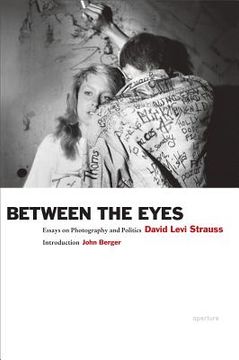
In an era of social confusion and visual pandemonium, David Levi Strauss tackles issues of photography and politics in a way that few critics today are courageous enough to attempt. The essays collected in Between the Eyes address topics ranging from propaganda and the imagery of dreams, to Sebastião Salgado's epic social documents and the deeply personal photographic revelations of Francesca Woodman. Other issues broached here include the legitimacy of photographic imagery and the media frenzy surrounding the events of September 11, as well as essays on the work of Ania Bien, Miguel Rio Branco, Alfredo Jaar, Joel-Peter Witkin and others, plus an interview with painter Leon Golub (who worked from photographs). Reviewing the first edition of Between the Eyes, Publisher's Weekly wrote: 'Photography and Propaganda, ' a study of the work and deaths in '80s Central America of photojournalists Richard Cross and John Hoagland, should be required reading in the age of embeddedness, and 'Photography and Belief' is a terrific meditation on truth in the age of digital manipulation.
John Berger (Londres, 1926–París, 2017) fue escritor, crítico de arte, pintor y ensayista británico, una de las voces intelectuales más influyentes del siglo XX. Su obra desafió las fronteras entre literatura, crítica artística y reflexión política, siempre con especial atención a la manera en que vemos e interpretamos el mundo. Su novela G. obtuvo el Booker Prize en 1972, mientras que Ways of Seeing, surgida de la célebre serie televisiva de la BBC, transformó la manera de abordar el arte y la cultura visual. Vivió buena parte de su vida en Francia y mantuvo una relación estrecha con otros grandes intelectuales y artistas de su época.
To Tell a Story, publicado póstumamente en 2026, reúne materiales que documentan la extraordinaria amistad y colaboración intelectual entre Berger y Susan Sontag. Editado por Benoît Bourreau, el volumen recupera conversaciones, correspondencia y registros de encuentros entre ambos a lo largo de varias décadas, incluyendo el memorable debate televisivo que mantuvieron en 1983. Más que un simple libro sobre narrativa, es un diálogo entre dos formas de entenderla: Berger la concibe como una manera de preservar experiencias y vidas frente al olvido, mientras Sontag reivindica también su capacidad de inventar, transformar y abrir mundos posibles. El resultado permite asistir, casi como espectadores privilegiados, al intercambio entre dos mentes excepcionales.